
JURA GREY
EXPLORE
2026-02-10
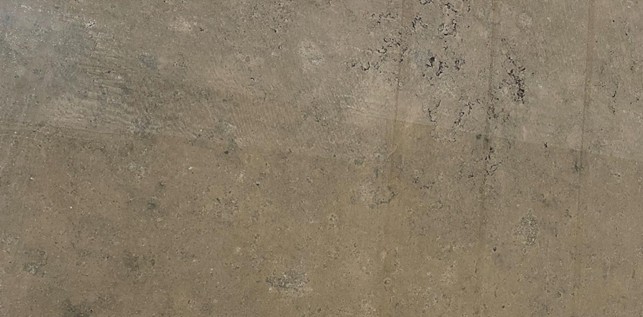
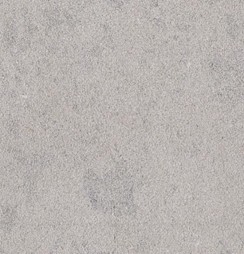
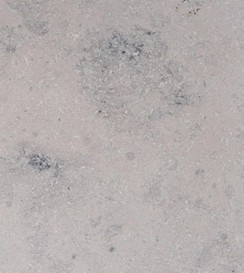
Limestone with a uniform structure and outstanding versatility, characterized by a delicate taupe background enriched with blue-grey shades.
Type: LIMESTONE
Finishes: POLISHED,HONED,BRUSHED
Color: TAUPE BACKGROUND with BLUE/GREY SHADES
Jura Grey: geological origin and geographical provenance
Jura Grey belongs to the limestone category, natural calcareous stones formed through the accumulation and sedimentation of marine organism remains and calcareous muds deposited on the seabed of shallow seas. Compared to metamorphic marbles, these stones are characterized by a more sedimentary structure.
Jura Grey limestone (Jurassic limestone) formed approximately between 140 and 220 million years ago, with a main depositional phase around 160 million years ago. It originated from marine sediments accumulated in a vast continental shelf sea that, during the Late Jurassic period, covered the area of present-day southern Germany. In this environment of tropical lagoons of the Jurassic Sea, limestone was deposited continuously, giving rise to a stone of exceptional quality.
Today, Jura Grey is quarried in the Altmühl Valley in Bavaria and is characterized by the presence of numerous fossils, such as ammonites and belemnites, which testify to its long geological formation process. The quarrying area is also one of the largest natural stone reserves in the world and, thanks to sustainable and responsible extraction practices, the availability of the material is guaranteed for the future.
Jura Grey: technical and aesthetic properties
Jurassic limestones are distinguished by a wide chromatic variety ranging from light beige to yellow, golden yellow, grey and blue-grey, with yellowish tones being among the most well-known and appreciated. The yellow coloration is due to the presence of limonite, a brown iron mineral, while the grey-blue shades are also derived from specific iron-containing compounds.
The chromatic variant with a predominance of warmer tones, from light beige to ochre, is known as Jura Gelb. Jura Gelb limestone belongs to the same family as Jura Grey, shares the same technical characteristics, and comes from the same quarrying area. The distinction is therefore exclusively related to color, oriented toward yellow/beige hues (the name “Gelb” means “yellow” in German).
A typical feature of these limestones is the presence of thin calcite veins, sometimes almost transparent in appearance, crossing the stone. Although they may be mistakenly interpreted as defects or cracks, they are in fact an authentic sign of the material’s natural origin, enhancing its uniqueness and value as a non-artificial product.
Jurassic limestones may also contain fossils visible on the surface or within the stone, such as algae, plant fragments, siliceous sponges or ammonites, trapped between sedimentary layers and subsequently fossilized over millions of years. The presence and distribution of these elements vary from layer to layer, making some varieties more richly textured and dynamic, while others appear more homogeneous and visually “calm.”
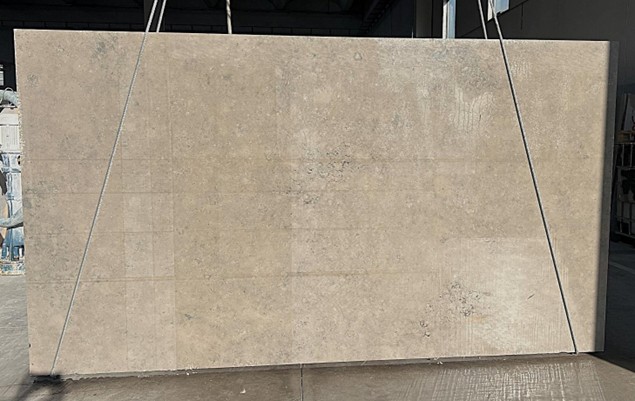
This limestone, characterized by notable compactness, is extracted from different levels or layers, each with specific properties that determine its suitability for different applications.
Layer selection already takes place during the preliminary phase, based on the intended use: from high-resistance flooring for shopping centers, airports and office buildings, to facade cladding, outdoor floors, and landscaping and garden architecture products subjected to continuous freeze-thaw cycles. For every design requirement, there is a suitable layer available within the quarries.
Jura Grey and Jura Gelb limestone slabs are mainly available in beige-yellow, grey, or mixed tones. Additional aesthetic effects and chromatic variations can be achieved through different surface finishes combined with careful layer selection, allowing the material to be customized according to the client’s specific needs.
Main technical characteristics of Jura Grey:
| Test type | Unit |
| Compressive strength | 21.085 Psi |
| Breaking load at fixing holes | 2283 |
| Density | 165.26 lbs/ft |
| Water absorption at atmospheric pressure | 0.96% |
| Flexural strenght | 1560 Psi |
| Abrasion index | 30.6 |
Ideal processing and finishes for Jura Grey slabs
Jura Grey is a versatile material that, thanks to its excellent technical properties, can be processed with various surface finishes. This flexibility makes it suitable for a wide range of applications, both indoors and outdoors, from architecture to interior design.
The most common finishes include:
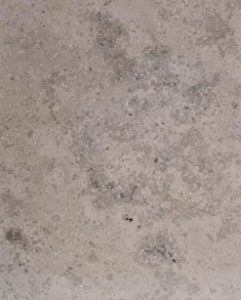
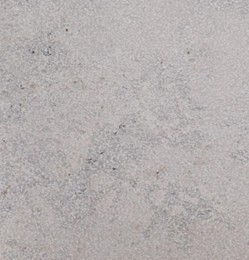
- Honed finish: gives the slab surface a uniform, matte texture.
- Satin finish: provides a silky, smooth texture to the touch, giving the slabs a warm feel.
- Sandblasted finish: makes the stone rough and slip-resistant, ideal for outdoor use.
- Sandblasted and brushed finish: gives the stone an aged appearance, enhancing its natural character and making it perfectly suitable for rustic and traditional settings.
- Bush-hammered and brushed finish: gives the slabs a particularly rough appearance, while brushing softens the surface, providing a more silky feel to the touch.
Jura Grey: most common applications
Jura Grey limestone has a long and well-established tradition as a building material: since ancient times it has been used for masonry, buildings and architectural structures.
Its historical importance is also evident in archaeological findings. As early as the Roman Empire, it was used as a construction material. Today, remains of walls, towers, Roman baths and fortifications can still be found, such as the Weißenburg fort in Bavaria. Other emblematic examples of its durability over time include the Eichstätt Cathedral and the Willibaldsburg.
Over time, this natural stone was used in the construction of houses and castles belonging to the wealthier classes. Initially, blocks and ashlar stones were quarried for walls and buildings; later, with the development of new processing techniques, the production of slabs and finished products became possible.
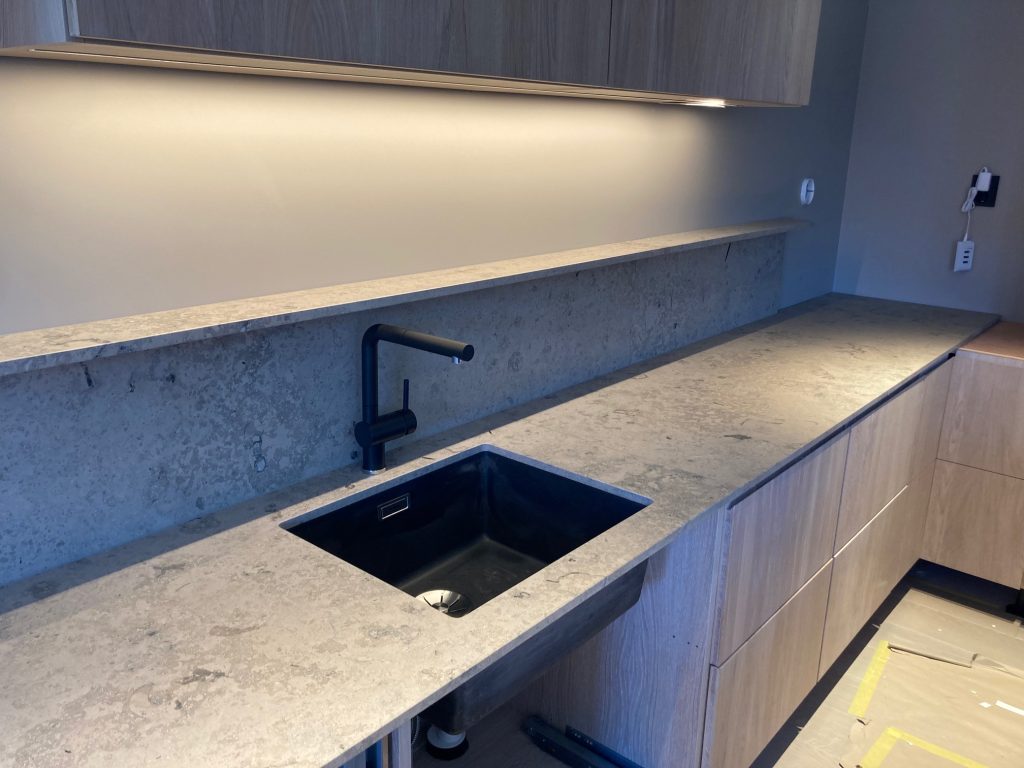
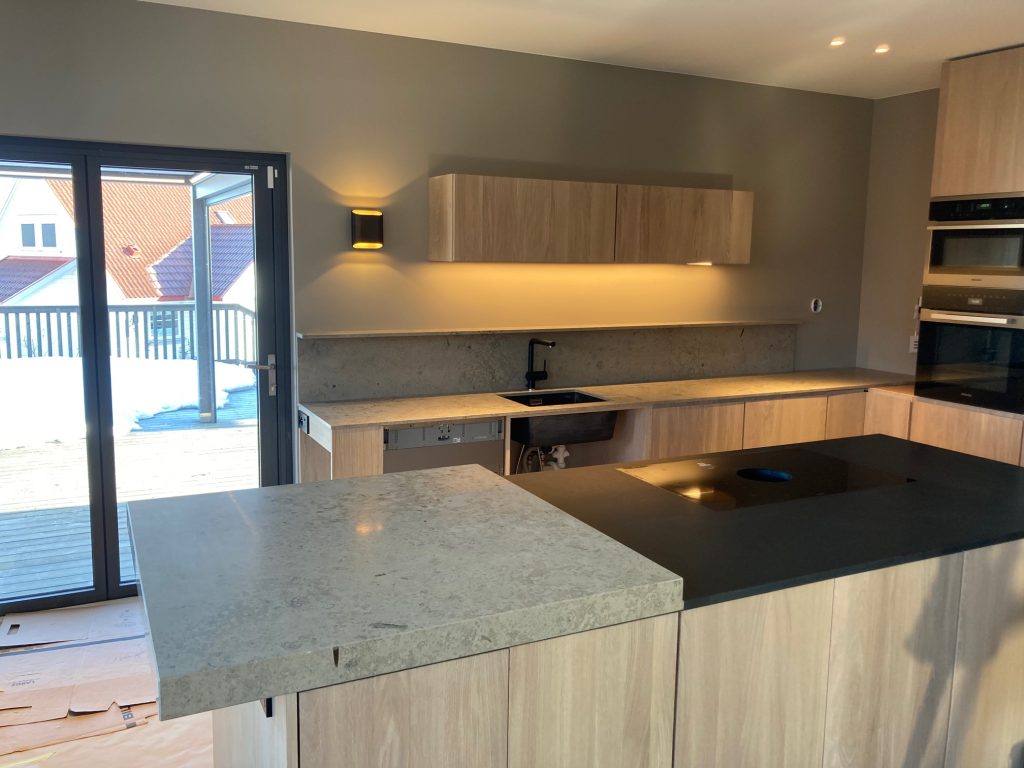
Today, Jura Grey stands out for its versatility. Its technical properties and natural, stratified appearance offer almost limitless design possibilities, making it an ideal choice for:
- Interior wall cladding
- Kitchen countertops
- Bathroom tops
- Indoor and outdoor flooring
- Staircases
- Split stone for exterior and interior wall cladding
- Cobblestones
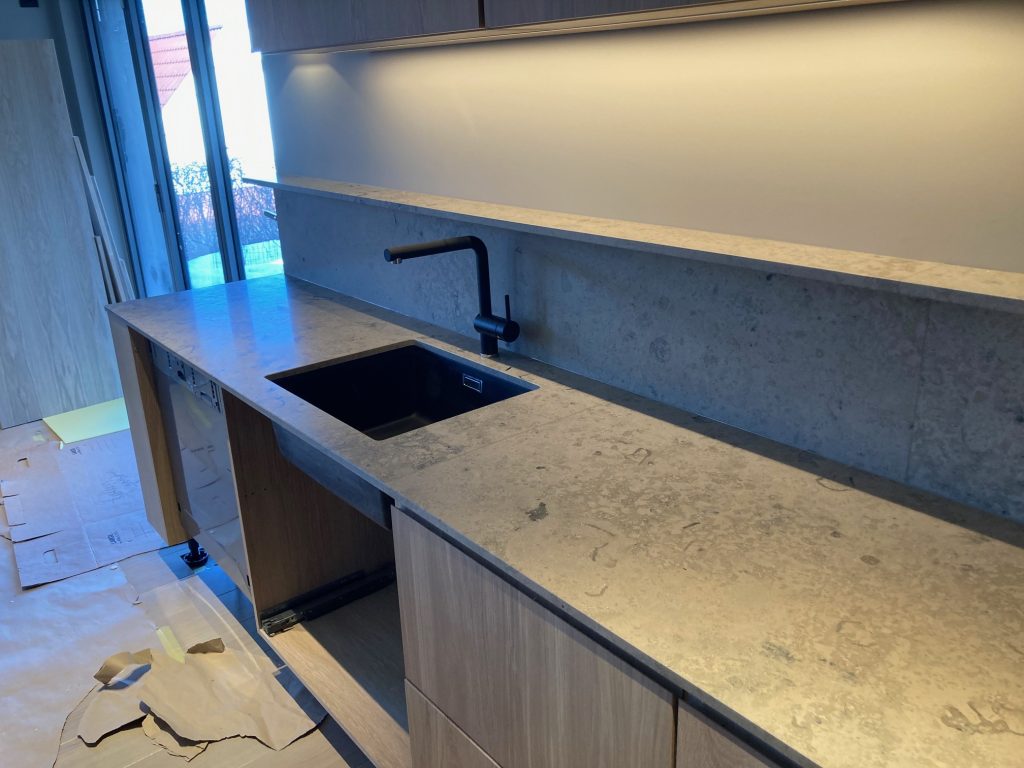
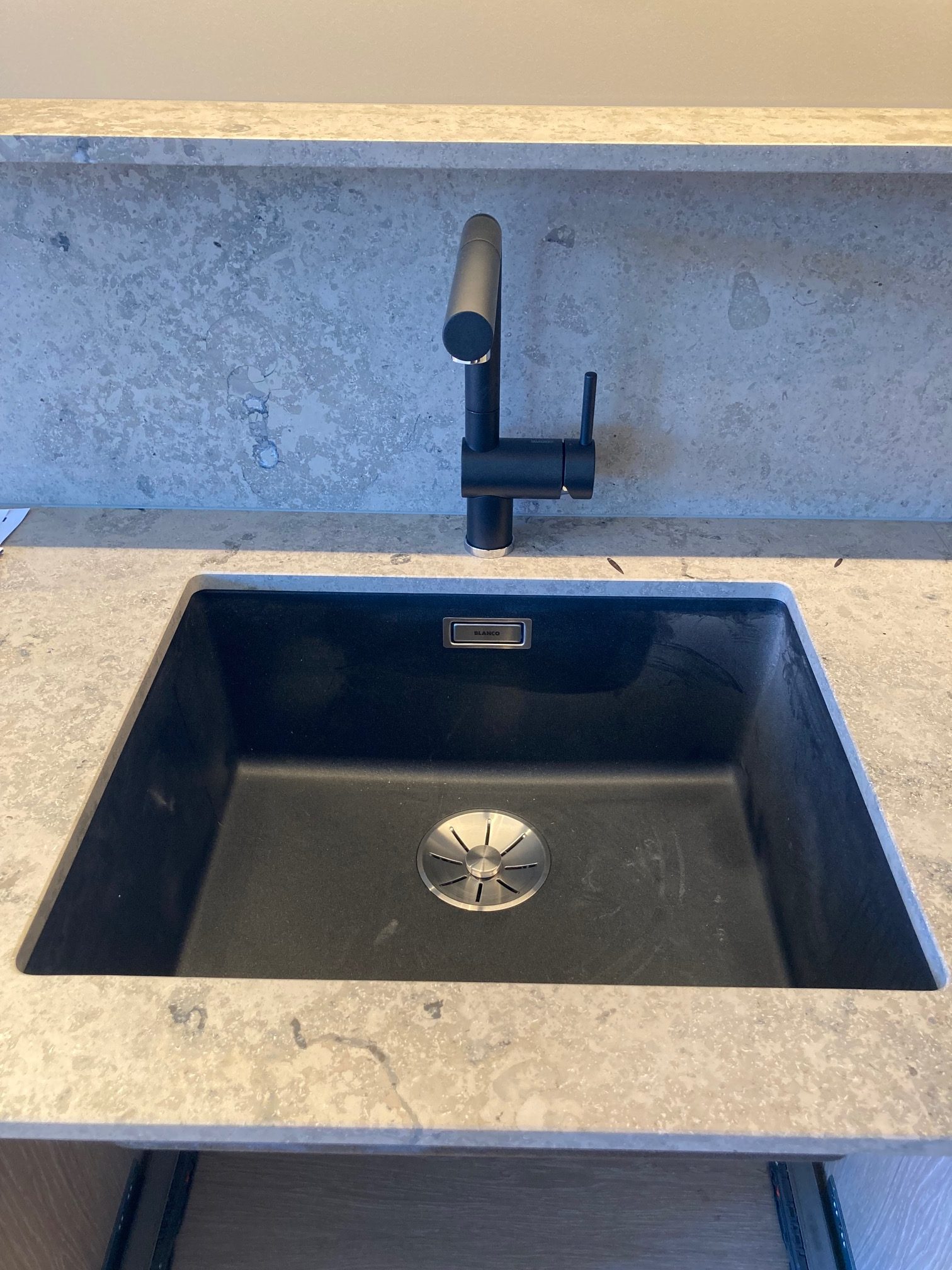
Jura Grey and Jura Gelb at Alberti & Alberti
At Alberti & Alberti, we manage all production phases of natural stone processing, from selection to finishing, providing consultancy and materials to architects, stonemasons, retailers, contractors, distributors, construction companies, retailers and other B2B operators. We do not supply private customers.
We offer top-quality Jura Grey and Jura Gelb slabs, available in all finishes thanks to the use of our own machinery for in-house slab processing.
We also manufacture finished products in any thickness and finish, providing customers with an even more comprehensive service.
Alberti & Alberti warehouses currently stock Jura Grey and Jura Gelb slabs in 2 cm thickness.
Check availability:
Alternatively, contact us for custom slab production.
FAQ
- Is Jura Grey suitable for outdoor use?
Jura Grey slabs can be used in outdoor environments, such as paving, provided that the most suitable surface finish is selected. Before installation, it is essential to carefully evaluate the local climatic conditions and installation methods to ensure long-term durability and safety. - Is Jura Grey a marble?
Jura Grey is not a marble but a limestone, therefore slightly softer and more porous than marble. - What is the difference between Jura Grey and Jura Gelb?
The difference between the two materials lies mainly in color, as they are the same type of natural stone with identical technical characteristics.